
Target mushroom
Observe cap, underside, stem/base, growth habit and season together. No single surface feature is enough.
A visual comparison helps you know what to inspect. It cannot confirm that a wild mushroom is safe to eat.
Oyster mushrooms have several lookalikes. Compare the whole specimen and habitat, and do not eat a wild mushroom from a web comparison alone.
Observe cap, underside, stem/base, growth habit and season together. No single surface feature is enough.
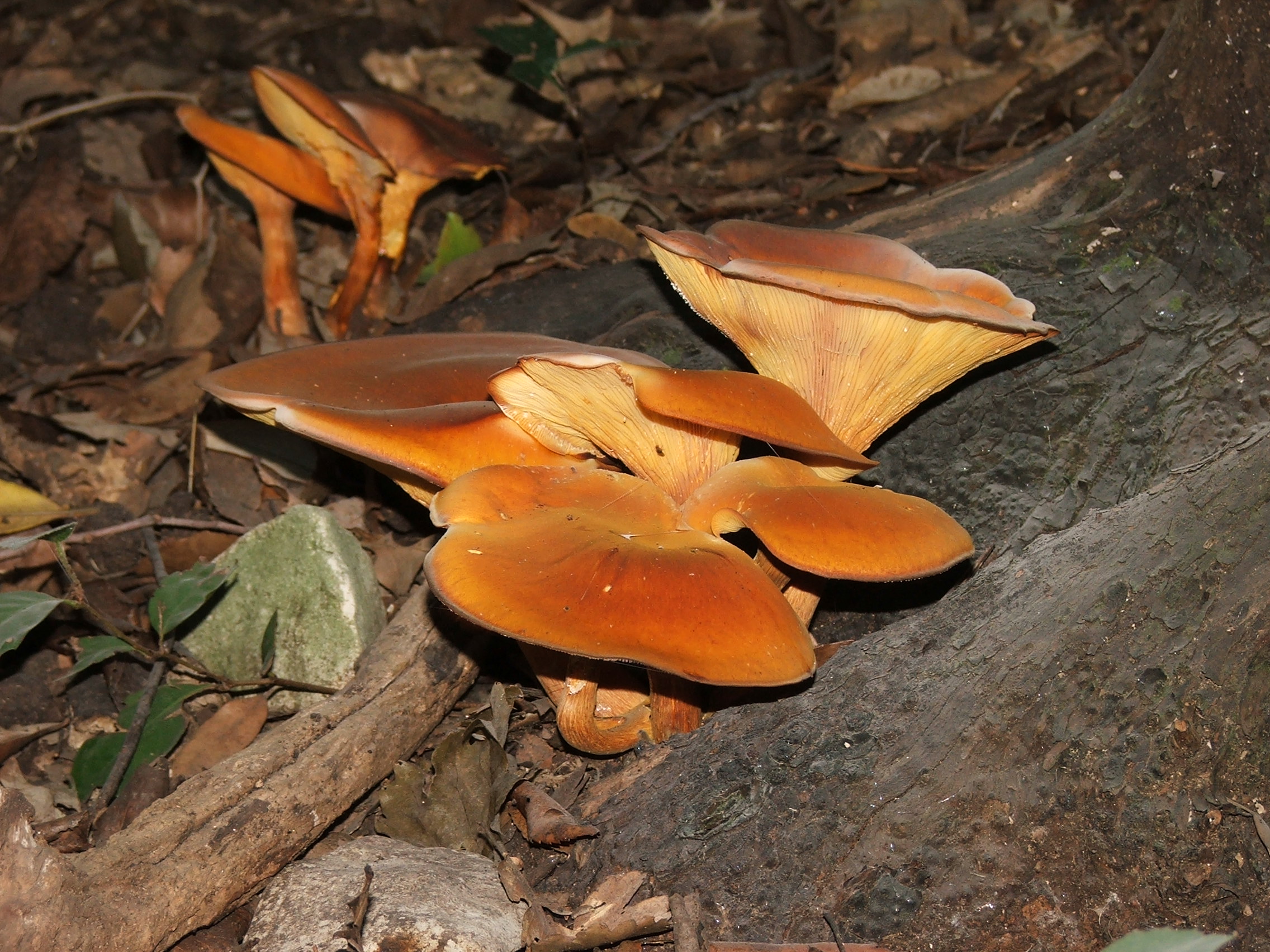
Look for a different growth habit, underside structure, stem/base features, or internal flesh before drawing any conclusion.
Photo source: source and license.
| Check | Why it matters | Do not rely on |
|---|---|---|
| Where it grows | Wood, soil, lawn and tree association can narrow possibilities. | Color alone. |
| Underside and base | Gills, pores, ridges, stem attachment and a buried base often matter. | A cropped cap photo. |
| Interior | Only an experienced identifier can assess all traits safely. | Internet agreement or animal feeding behavior. |
Keep the mushroom in place when possible and avoid tasting it.
Take photos of top, underside, stem/base and habitat for a local expert.
Do not wait for symptoms when a child or pet may have eaten an unknown mushroom.
No. Color varies and must be assessed with the underside, attachment, habitat and other traits.
Many oyster mushrooms fruit on wood, but habitat alone does not establish identity.
No. Use it to learn what to inspect, then consult a qualified local identifier.
Contact a veterinarian or poison service promptly and preserve photos or a sample if safe.